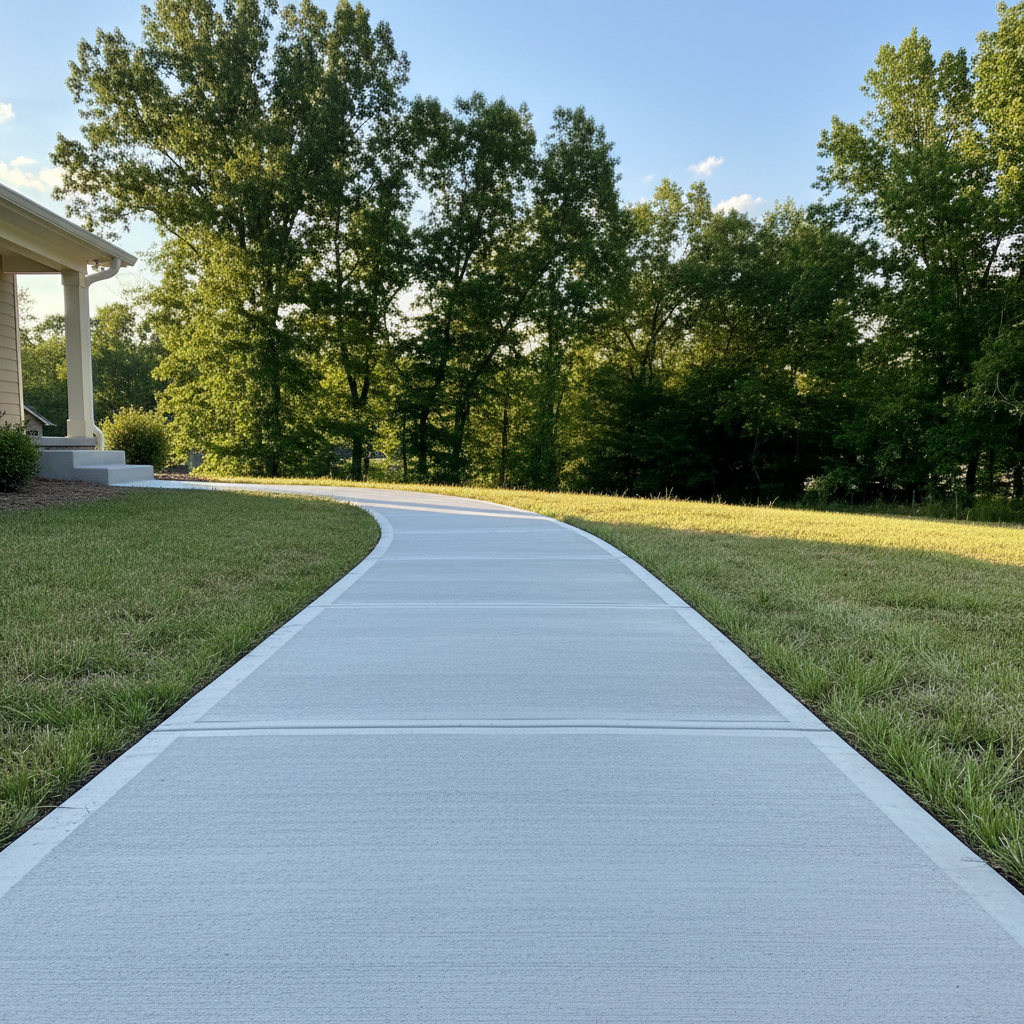
Your concrete sidewalks really take a beating, especially here in Madison, AL. Between our hot, humid summers, those occasional freezes, and all the foot traffic, they're under a lot of stress. But with just a little attention, you can make them last much longer and keep them looking good for years.
Extend Your Sidewalk's Lifespan
It's not exactly rocket science, but a few simple habits really go a long way. First off, keep heavy vehicles off your sidewalks. I know it sounds obvious, but I've seen plenty of cracked concrete because someone drove their truck or RV over a path not built for that kind of weight. Those cracks? They're not just ugly; they let water in, and that's usually the beginning of the end for your concrete.
Another big one is managing water. Our Madison clay soil expands and contracts a lot when moisture levels change. If water constantly pools on or right next to your sidewalk, it's going to undermine the base. So, make sure your downspouts aren't dumping water directly onto the concrete or right beside it. Extend them away, or even better, direct them into a proper drainage system. Good drainage, by the way, is probably the single best thing you can do to protect any concrete flatwork around your home.
Finally, seal your concrete. A good quality penetrating sealer, put on every few years, acts like a shield. It repels water, stops oil stains from soaking in, and protects against freeze-thaw damage. It's an investment, sure, but a small one compared to replacing a whole section of sidewalk.
Regular Maintenance: What You Should Be Doing
This isn't a full-time job, I promise. Most of what you need to do is pretty straightforward:
- Keep it clean: Sweep off dirt, leaves, and debris regularly. Organic matter can hold moisture against the concrete, which encourages mold and mildew growth, and can even break down the surface over time.
- Wash it down: A good pressure washing once or twice a year can work wonders. Just be careful not to use too high a pressure or hold the nozzle too close, especially on older concrete, as you could damage the surface. A regular garden hose with a scrub brush works fine for most everyday grime, though.
- Address stains quickly: Oil, grease, rust, or even spilled fertilizer can leave permanent marks if you don't clean them up fast. Different stains need different treatments, but generally, the sooner you act, the better your chances of getting them completely out.
- Weed control: Weeds pushing up through cracks aren't just unsightly; their roots can make existing damage worse and widen those cracks. Pull them out or use a weed killer.
Warning Signs You Shouldn't Ignore
Your sidewalk will tell you when it's in trouble, if you just know what to look for. Don't wait until it's a trip hazard to pay attention, okay?
- Cracks: Small, hairline cracks are often normal, especially with our temperature swings. But if they're widening, spiderwebbing, or if you see a crack that goes all the way through a slab, that's a real problem.
- Spalling or flaking: This is when the surface of the concrete starts to chip or peel away. It usually happens because of water getting in and then freeze-thaw cycles, or sometimes from improper finishing. It weakens the concrete and just looks terrible.
- Sinking or uneven sections: If one slab is noticeably lower or higher than the one next to it, you've got a sub-base issue. This creates a major trip hazard and often points to erosion or soil settling underneath.
- Pitting: Small holes or craters on the surface can happen if aggregate pops out (often due to poor quality concrete or freeze-thaw) or from de-icing salts.
- Persistent standing water: If water consistently pools in certain spots after rain, it means your sidewalk isn't draining properly, or it's settled. This will definitely lead to more damage.
When to Call a Professional
Look, I'm all for DIY, but some jobs are just better left to the pros. If you're seeing any of those major warning signs – significant cracks, spalling, or uneven slabs – it's time to call someone like Prime Concrete Co. Trying to patch major issues yourself often leads to temporary fixes that look bad and fail quickly. We've got the tools and expertise to properly figure out the problem, whether it's a simple crack repair, slab jacking (that's raising sunken concrete), or a full replacement.
Don't let small problems turn into big, expensive ones. A little proactive care and knowing when to get expert help will keep your Madison home's sidewalks safe and looking sharp for many years to come.