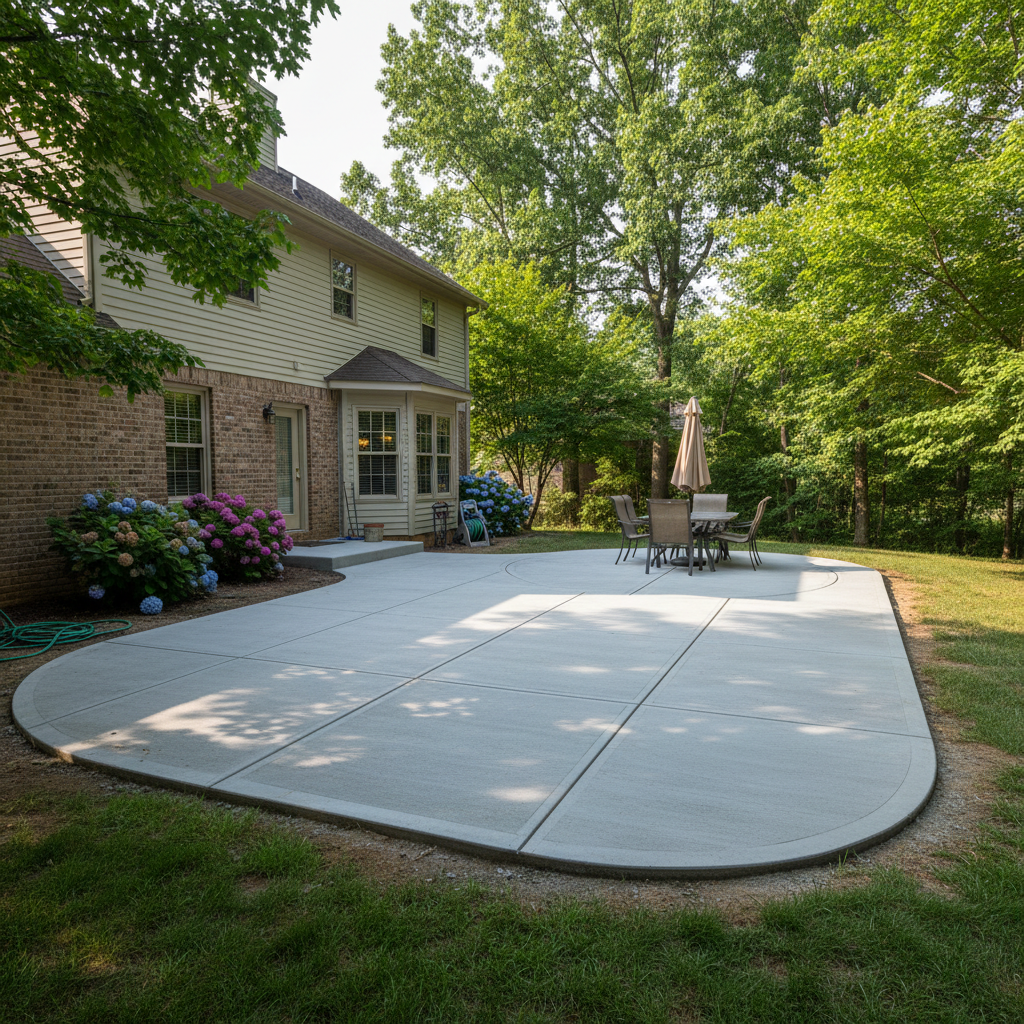
You're ready to upgrade your driveway, add a patio, or maybe pour a new walkway. That's great! But before you jump in, let's talk about something critical for us here in Madison, AL: the weather. It's not just about avoiding rain on pour day; the temperature and humidity over several days and weeks can make or break your concrete's long-term strength and appearance. I've seen too many folks rush into a project at the wrong time of year, only to deal with issues down the road. You don't want that.
When's the Best Time for Concrete Work in Madison?
Honestly, spring and fall are your golden windows. Think late March through early June, and then again from mid-September through late October. Why these times? It boils down to temperature. Concrete cures best when the ambient temperature is consistently between 50 and 80 degrees Fahrenheit. This allows the chemical reaction (hydration) that hardens the concrete to happen at an optimal pace. It gets strong, dense, and durable.
During these months, we usually have those nice, mild days and nights. The ground temperature is also more stable, which is crucial. If the ground is too cold, the concrete can set too slowly, leading to weak spots. If it's too hot, it sets too fast, increasing the risk of cracking and making it harder to finish properly. We're always watching the forecast closely at Prime Concrete Co. because a good pour is just the beginning; proper curing is where the real magic happens.
What Weather Conditions Really Matter?
Beyond just temperature, there are a few other things we're always keeping an eye on:
- Extreme Heat: Our Madison summers can be brutal. When it's consistently over 90 degrees, especially with direct sun, concrete can dry out too quickly. This leads to what we call 'plastic shrinkage cracking' – small, spiderweb cracks that show up even before the concrete fully hardens. We can take precautions like misting, using retardants, or pouring in the early morning, but it's always a higher risk.
- Freezing Temperatures: This is a big no-no for fresh concrete. If water in the mix freezes before the concrete gains enough strength, it expands and literally breaks apart the internal structure. You'll end up with spalling and a weak slab. That's why you won't see us pouring in the dead of winter unless it's an absolute emergency and we can guarantee heated enclosures.
- Rain: Obvious, right? Rain on fresh concrete can wash away the cement paste, weakening the surface and causing pitting. Even light rain can mess up a perfectly smooth finish. We always reschedule if there's a significant chance of rain on pour day.
- Wind: Believe it or not, high winds can be a problem. They accelerate surface drying, which, like extreme heat, can lead to cracking. We've got ways to mitigate this, but calm days are definitely preferred.
You might live in a newer subdivision like Clift Farm, where they're still doing a lot of grading. The soil there can be pretty active, and combined with our weather, it makes careful concrete work even more important. We're not just pouring concrete; we're building a foundation that needs to stand up to our local conditions.
Protecting Your Concrete Investment Year-Round
Once your concrete is poured and cured, your job isn't quite done. A little maintenance goes a long way to extend its life:
- Sealing: This is probably the most important thing you can do. A good quality penetrating sealer protects against moisture intrusion, freeze-thaw cycles, oil stains, and general wear. I recommend sealing new concrete within the first year and then every 2-5 years depending on traffic and exposure. It's like sunscreen for your concrete.
- Cleaning: Regular cleaning with a broom and hose, or a pressure washer on a low setting, removes dirt, grime, and mildew. This prevents organic growth from taking root and potentially causing surface damage.
- Addressing Cracks: Small hairline cracks are pretty normal with concrete; it moves. But if you see larger, expanding cracks, or areas where the concrete is settling, don't ignore them. Get them evaluated. Sometimes a simple caulk or filler can prevent bigger problems down the line.
- Snow and Ice: While we don't get a ton of snow here, when we do, be careful with de-icing salts. Many common de-icers contain chemicals that can damage concrete, especially if it's not properly sealed or is less than a year old. Sand is a safer bet, or look for concrete-safe de-icers.
Ultimately, a well-planned concrete project, executed during the right weather window, and followed by simple maintenance, will give you a durable, beautiful surface that lasts for decades. If you're thinking about a project, give us a call. We're happy to talk through the best timing for your specific job here in Madison.