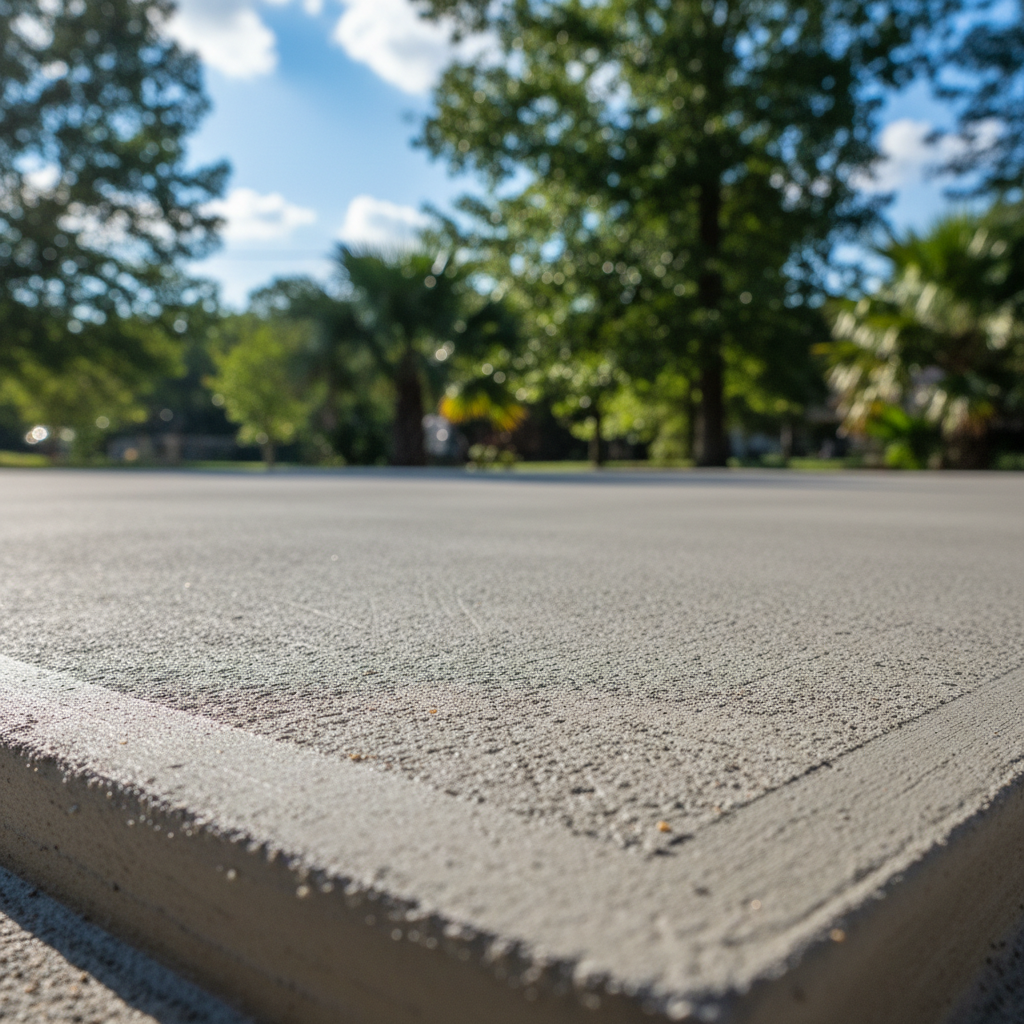
Alright, let's talk concrete. I get a lot of folks around Madison asking me about pouring their own slabs, fixing cracked driveways, or even trying to put in a small patio. And I get it, you want to save a buck, and there's a certain satisfaction in doing things yourself. But here's the deal: concrete isn't like painting a wall. Mess it up, and you've got a permanent problem that's expensive to fix.
Before You Even Think About Mixing
First things first, what are you actually trying to pour? A small, non-structural pad for your trash cans? Maybe a little stepping stone path? Those are probably doable for a handy homeowner. We're talking small, thin, and not critical to anything else. But if it's a driveway, a foundation, a large patio, or anything that's going to bear significant weight or needs to last for decades, you're already in 'call a pro' territory. Seriously, don't mess around with structural integrity.
Next, permits. This is huge. In Madison, AL, you usually need a permit for most concrete work that's more than just a small repair. Don't skip this. The city's got rules for a reason, and getting caught without a permit means fines, potential demolition, and a whole lot of headaches. Check with the city's building department before you even buy a bag of cement.
Then there's the ground. Our soil here in Madison can be tricky. We've got a lot of clay, which expands and contracts with moisture. If your sub-base isn't properly prepared and compacted, that concrete slab is going to crack, heave, and settle faster than you can say 'rebar'. You need to understand drainage, grading, and proper compaction techniques. This isn't just about leveling dirt; it's about creating a stable, long-lasting foundation for your concrete.
During the Pour: Where Things Get Real
Let's say you're doing something small, like a 2x2 foot pad for a generator. You've got your forms built, your rebar or wire mesh in place, and your sub-base is solid. Mixing small batches of concrete from bags isn't too bad. Follow the instructions on the bag to the letter. Too much water weakens it, too little makes it unworkable.
But what if you're pouring something bigger? Even a 10x10 foot slab is a lot of concrete. You'll need a mixer, and you'll need to work fast. Concrete waits for no one. Once it starts to set, you can't just take a coffee break. You need to pour, spread, screed, float, and finish, all within a relatively short window. This is where most DIYers get into trouble. They underestimate the physical labor and the speed required. Trying to do a large pour by yourself or with just one buddy is a recipe for disaster. You'll end up with an uneven, rough, and unsightly slab.
For anything that requires a concrete truck, you're definitely calling in the experts. Managing a concrete truck delivery, getting the mix right, and having enough hands on deck to work that volume of material before it sets up? That's a professional job, plain and simple. We've got the equipment, the crew, and the experience to handle those large pours efficiently and correctly. At Prime Concrete Co, we've seen enough botched DIY jobs to know exactly what can go wrong.
After the Pour: Curing and Care
So, you've managed to get your small slab poured and finished. Great! Now, don't just leave it. Curing is critical. This isn't just about letting it dry; it's about letting it chemically harden properly. If it dries too fast, it'll be weak and prone to cracking. You need to keep it moist for at least 7 days, sometimes longer depending on the mix and the weather. That means covering it with plastic, or using a curing compound, or even just misting it regularly.
For a small patch or a stepping stone, this might be manageable. For a driveway or a large patio, proper curing is a full-time job for a week. That's another reason why professionals are worth it. We factor in curing and ensure your concrete reaches its maximum strength.
Look, I'm not trying to discourage anyone from learning new skills. But when it comes to concrete, the margin for error is small, and the cost of fixing mistakes is high. For small, non-critical projects, go for it. Learn, experiment. But for anything that matters, anything that needs to look good and last for decades, save yourself the headache and call a reputable concrete contractor. You'll be glad you did.