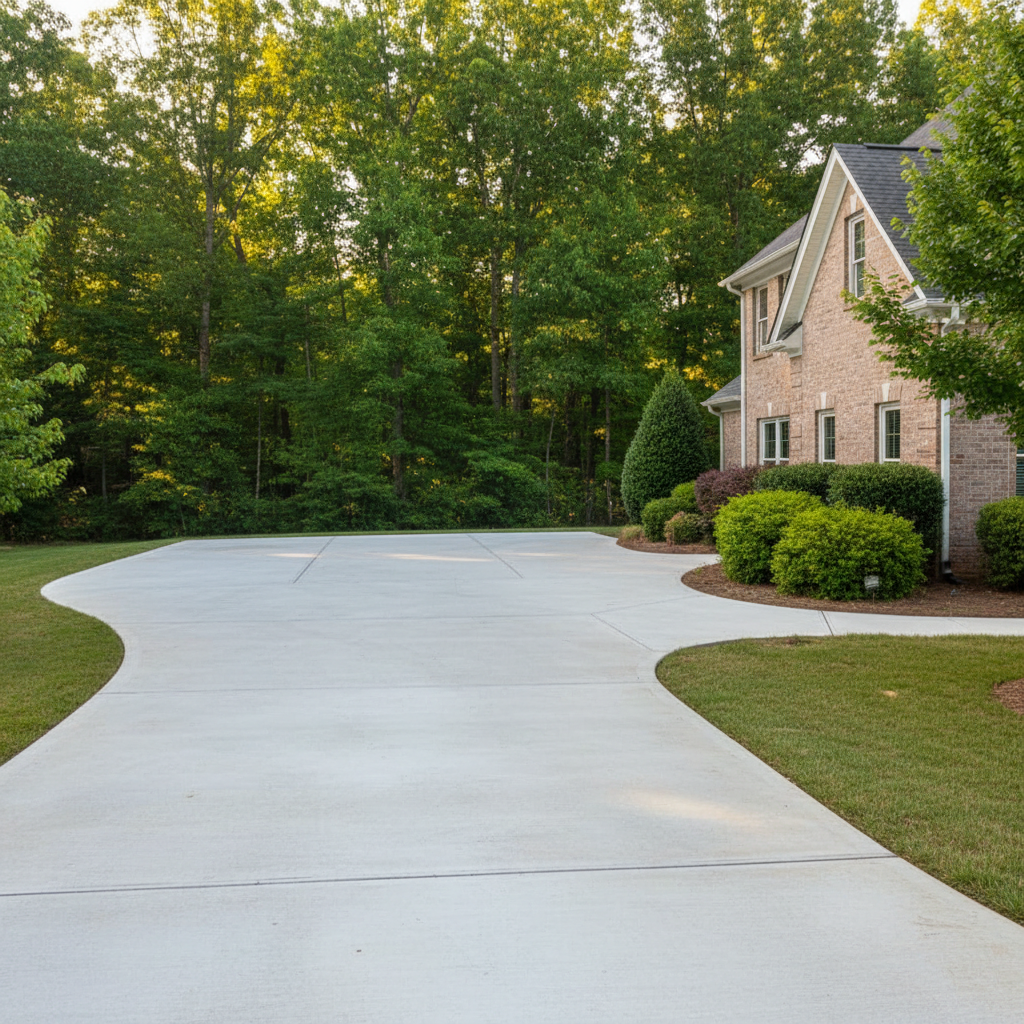
So, you just got some new concrete poured, maybe a driveway, a patio, or some fresh sidewalks. Looks great, doesn't it? Smooth, clean, and you're probably thinking, 'Okay, that's done.' But hold on a second. While concrete is tough, it's not indestructible, especially with our Madison, AL climate throwing everything it's got at it. If you really want that investment to last, you've got to give it a little attention. It's not hard work, but ignoring it can definitely lead to bigger headaches down the road.
Your Concrete's Life: It Starts Early
The single most important thing you can do to make your concrete last longer happens right after it's poured: proper curing. If you hired a good crew, they'll handle this part. But for you, the homeowner, once it's cured, the next step is sealing. Seriously, I can't stress this enough. A good quality penetrating sealer is your concrete's best friend, especially here in North Alabama. It's not just about making it look shiny; it's about protecting it from moisture, chemicals, and those constant freeze-thaw cycles we get. We might not get feet of snow, sure, but those nights below freezing followed by warm, sunny days? That's brutal on unsealed concrete. Water seeps in, freezes, expands, and then thaws, creating tiny cracks that grow over time. A sealer helps prevent that whole mess.
You should plan to reseal your concrete every 2-5 years. The exact timing depends on the type of sealer you use and how much traffic it sees. High-traffic spots like driveways will need it more often than, say, a patio you don't use much. It's a small investment, really, but it pays off big time by preventing costly repairs later on.
Regular Maintenance: Simple Steps, Big Impact
Keeping your concrete in good shape doesn't demand a ton of work, but it does need consistency. Think of it like changing the oil in your car – a little bit often saves a lot later.
- Keep it Clean: Sweep off dirt, leaves, and other debris regularly. Organic matter left sitting on concrete, especially when it's damp, can lead to staining and even encourage moss or algae to grow. A simple broom or leaf blower does the trick just fine.
- Wash it Down: Every few months, give your concrete a good rinse with a hose. If you've got stubborn dirt or grime, a mild detergent and a stiff brush work wonders. For tougher stains, a pressure washer can be effective, but be careful not to use too high a pressure setting, especially on older or unsealed concrete. You can actually damage the surface that way. Keep the nozzle moving and don't get too close.
- Address Spills Immediately: Oil, grease, rust, or chemical spills? Don't let them sit. The longer they do, the harder they are to remove and the more likely they are to permanently stain or even etch the concrete. Kitty litter can absorb oil, and a good scrub with a degreaser often helps.
- Watch for Weeds: Those tiny cracks are magnets for weeds, aren't they? Pull them out as soon as you see them. If you let them grow, their roots can expand those cracks, causing even more damage.
One thing I see a lot around Madison, especially in older neighborhoods like Five Points or along Hughes Road, is concrete that's been neglected for years. It's usually covered in grime, moss, and has a network of small cracks. A little regular care could have prevented a lot of that, you know?
Warning Signs: Don't Ignore These
Your concrete will tell you when it's having problems, if you know what to look for. Catching these early can save you a lot of money and hassle down the line.
- Cracks: Hairline cracks are pretty common and usually not a huge concern, especially if they don't grow. But if you see cracks that are widening, getting longer, or if you can fit a credit card into them, that's a red flag. Cracks that spiderweb or form a star pattern can often indicate a bigger issue underneath.
- Spalling or Flaking: This is when the surface of the concrete starts to chip, peel, or flake off. It often looks like the top layer is disintegrating. This usually happens because moisture gets into the concrete and freezes, or sometimes it's from poor finishing practices.
- Pitting: These are small, crater-like depressions on the surface. They can be caused by aggregate popping out, often due to poor quality aggregate or repeated exposure to de-icing salts.
- Uneven Slabs or Sinking: If one section of your driveway or patio is noticeably lower than an adjacent one, or if you see gaps forming underneath, you've got a sub-base problem. This can be due to soil erosion, poor compaction during installation, or our expansive clay soils here in Alabama shifting around.
- Persistent Stains or Discoloration: While some stains are superficial, persistent dark spots or widespread discoloration can indicate moisture issues or even mold/mildew that's deeply embedded.
When to Call a Professional
Look, I'm a big believer in DIY when it makes sense. But some concrete problems are just beyond a weekend warrior's fix. If you see any of the serious warning signs I just mentioned, especially significant cracking, sinking, or widespread spalling, it's time to call in someone who knows what they're doing. Trying to patch major cracks yourself often just delays the inevitable and can actually make the professional repair more complicated and expensive.
At Prime Concrete Co, we've truly seen it all. We can assess the damage, figure out the root cause, and recommend the right solution, whether it's a simple crack repair, mudjacking to lift a sunken slab, or a full replacement if it's too far gone. Don't wait until a small problem becomes a safety hazard or a massive eyesore. A quick call can give you that peace of mind and help you protect your investment for the long haul.